Is Street Art in Bangkok Legal and Encouraged?
In recent years, Bangkok has become a vibrant hub for street art, with colorful murals adorning its walls and alleys. But the question remains: Is street art in Bangkok legal and encouraged? Let’s delve into the complexities surrounding this form of artistic expression in the bustling city.
The Rise of Street Art in Bangkok
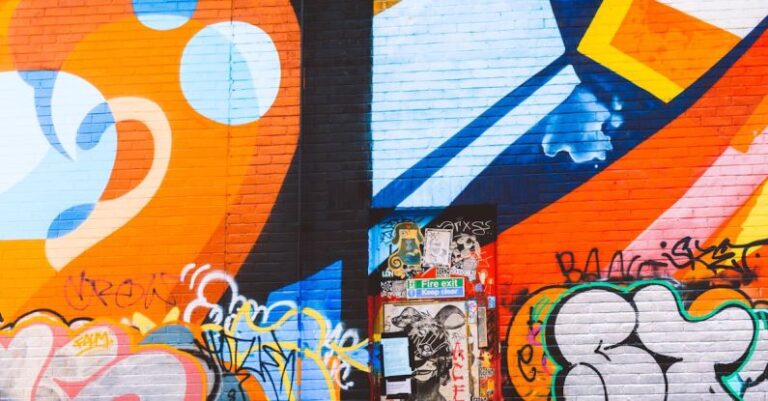
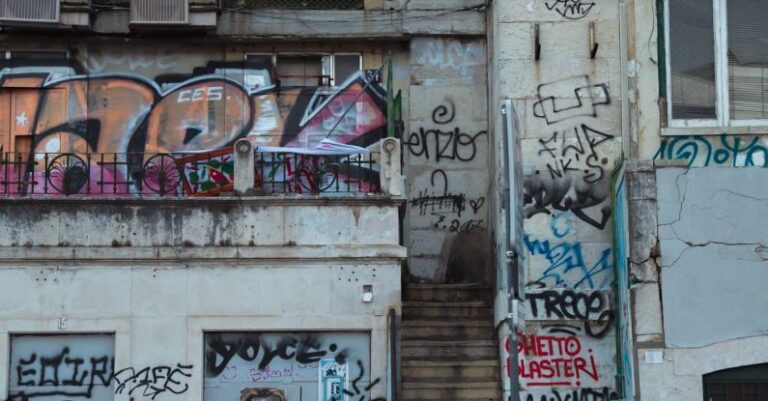
The streets of Bangkok tell a story of artistic evolution, with graffiti and murals transforming dull walls into vibrant canvases that reflect the city’s diverse culture and creativity. Artists from around the world have left their mark on Bangkok, turning it into an open-air gallery that attracts both locals and tourists alike. The rise of street art in Bangkok can be attributed to the city’s growing recognition of the importance of art in public spaces.
The Legal Landscape
While street art may be seen as a form of vandalism in some cities, Bangkok has taken a more lenient approach towards this artistic expression. In recent years, the city has embraced street art as a means of beautifying urban spaces and promoting cultural exchange. The legal landscape surrounding street art in Bangkok is complex, with regulations that vary depending on the location and context of the artwork.
Public vs. Private Property
One of the key factors that determine the legality of street art in Bangkok is whether the artwork is on public or private property. In the case of public property, such as government buildings or public parks, street art is generally tolerated as long as it is done with the permission of the relevant authorities. However, on private property, such as commercial buildings or residential homes, the legality of street art becomes more nuanced.
Community Engagement
In recent years, there has been a growing trend towards community engagement in street art projects in Bangkok. Local residents and business owners are increasingly collaborating with artists to create murals that reflect the unique identity of their neighborhoods. This grassroots approach to street art not only fosters a sense of pride and ownership among the community but also helps to deter vandalism and promote social cohesion.
Tourism and Cultural Exchange
Street art has become a major draw for tourists visiting Bangkok, with many seeking out famous murals and graffiti hotspots across the city. In recent years, street art tours have become increasingly popular, offering visitors a chance to explore the hidden gems of Bangkok’s urban art scene. This influx of tourists has not only boosted the local economy but has also fostered cultural exchange and dialogue between artists from different backgrounds.
The Future of Street Art in Bangkok
As Bangkok continues to evolve as a cultural hub, the future of street art in the city remains promising. With increasing support from the local government and communities, street art is likely to continue flourishing as a form of creative expression and cultural exchange. By embracing street art as a legitimate art form, Bangkok has the opportunity to further enhance its reputation as a dynamic and inclusive city that celebrates creativity in all its forms.
In conclusion, while the legality of street art in Bangkok may be subject to interpretation, one thing is clear: this vibrant form of artistic expression has become an integral part of the city’s cultural landscape. As Bangkok continues to embrace street art as a means of beautifying urban spaces and promoting cultural exchange, the future looks bright for artists and art enthusiasts alike.