How Accessible Is the Bts Skytrain for Tourists in Bangkok?
Traveling around Bangkok can be an exhilarating experience for tourists, with its bustling streets, vibrant markets, and exquisite temples. A popular mode of transportation for visitors to navigate the city is the BTS Skytrain. However, the question remains – how accessible is the BTS Skytrain for tourists in Bangkok?
Convenience and Efficiency
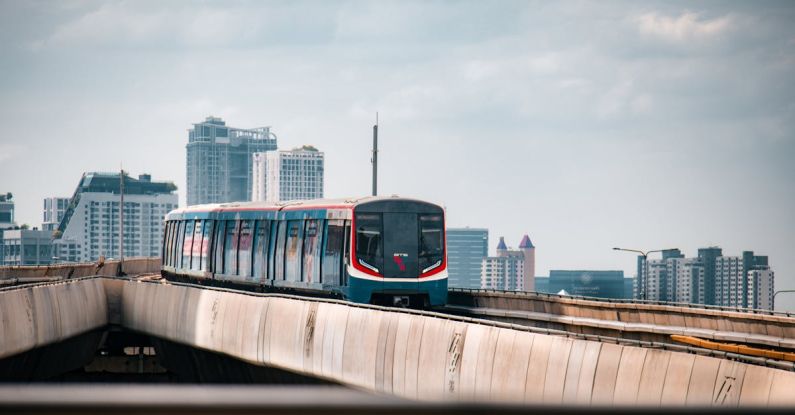
The BTS Skytrain in Bangkok is renowned for its convenience and efficiency in transporting passengers across the city. With its extensive network of routes covering key areas such as shopping districts, entertainment hubs, and cultural landmarks, the Skytrain offers tourists a quick and hassle-free way to explore Bangkok. The trains are punctual, clean, and air-conditioned, providing a comfortable journey for travelers, even during the sweltering heat of the city.
Accessibility for Tourists
For tourists visiting Bangkok, the BTS Skytrain is a relatively accessible mode of transportation. The signage within the stations and on the trains is displayed in both Thai and English, making it easier for non-Thai speakers to navigate the system. Additionally, station announcements are made in both languages, ensuring that passengers are well-informed about the upcoming stops and transfers.
Ticketing and Fare System
Purchasing tickets for the BTS Skytrain is a straightforward process for tourists. Ticket vending machines are available at all stations, allowing travelers to easily buy single journey tickets or rechargeable stored value cards. The fare system is based on the distance traveled, with prices ranging from 16 to 59 baht, depending on the number of zones crossed. For tourists planning to use the Skytrain frequently, the Rabbit Card offers a convenient cashless payment option, allowing for seamless travel without the need to queue for tickets.
Accessibility for Individuals with Disabilities
The BTS Skytrain in Bangkok has made efforts to improve accessibility for individuals with disabilities. Elevators and escalators are available at most stations, providing easy access for passengers with mobility issues. Moreover, designated seating areas are allocated for elderly passengers, pregnant women, and individuals with disabilities, ensuring a comfortable and inclusive travel experience for all passengers.
Navigating Transfers
One of the key considerations for tourists using the BTS Skytrain is navigating transfers between different lines. The BTS network consists of two primary lines – the Sukhumvit Line and the Silom Line, which intersect at Siam Station. While transfers can be relatively smooth, it is essential for tourists to pay attention to the signs and announcements to ensure they board the correct train. Planning transfers in advance can help tourists avoid unnecessary delays and confusion during their journey.
Tourist-Friendly Amenities
The BTS Skytrain stations in Bangkok are equipped with various amenities to cater to the needs of tourists. From information counters providing maps and brochures to convenient stores selling snacks and drinks, travelers have access to essential services that enhance their commuting experience. Additionally, many stations are connected to shopping malls and hotels, offering tourists the convenience of seamless connectivity to popular attractions and accommodations in the city.
Exploring Bangkok with the BTS Skytrain
For tourists looking to explore the vibrant city of Bangkok, the BTS Skytrain provides a convenient and efficient mode of transportation. With its accessibility features, user-friendly ticketing system, and seamless connectivity to key destinations, the Skytrain offers travelers a stress-free way to navigate the bustling metropolis. By leveraging the convenience of the BTS Skytrain, tourists can immerse themselves in the rich culture, vibrant street life, and diverse attractions that Bangkok has to offer.