Are There Temple Etiquette Tips for Visitors in Bangkok?
Nestled in the heart of Bangkok, the capital city of Thailand, are numerous temples that attract visitors from around the globe. These sacred sites, known as “wats,” offer a glimpse into the rich cultural and spiritual heritage of the Thai people. However, when visiting these temples, it is essential for tourists to be mindful of certain etiquette tips to show respect and appreciation for the religious significance of these places.
Respectful Dress Code
One of the most crucial temple etiquette tips for visitors in Bangkok is to dress appropriately. Since temples are considered sacred places, it is essential to dress modestly out of respect for the religious customs of the Thai people. Both men and women should avoid wearing revealing clothing such as shorts, tank tops, or low-cut tops when visiting a temple. Instead, it is recommended to wear long pants or skirts that cover the knees and tops with sleeves that cover the shoulders. By dressing modestly, visitors demonstrate their respect for the religious traditions upheld at these sacred sites.
Removing Shoes Before Entering
Another important temple etiquette tip is to remove your shoes before entering the temple premises. In Thai culture, it is customary to remove shoes before entering homes and sacred places as a sign of respect. Visitors should take off their shoes before stepping onto the temple grounds and leave them outside the designated area. Walking barefoot or in socks within the temple complex is a sign of reverence for the spiritual significance of the place and shows respect for the local customs.
Silence and Respect for Worshipers
When visiting a temple in Bangkok, it is essential to maintain a quiet and respectful demeanor. Temples are places of worship where devotees come to pray and meditate, and loud noises or disruptive behavior can be considered disrespectful. Visitors should speak softly, avoid using their phones, and refrain from any behavior that may disturb the peaceful atmosphere of the temple. By showing consideration for the worshipers and the sacredness of the space, visitors can fully immerse themselves in the spiritual ambiance of the temple.
Refrain from Pointing Feet
In Thai culture, the feet are considered the lowest and dirtiest part of the body, and pointing them at sacred objects or individuals is considered extremely disrespectful. When sitting in a temple or interacting with statues and images of the Buddha, visitors should ensure that their feet are tucked away and not pointed in the direction of any revered symbols. Crossing legs or kneeling with feet tucked underneath the body is a sign of respect and shows an understanding of local customs regarding the significance of the feet in Thai culture.
Making Offerings with Respect
Many temples in Bangkok provide opportunities for visitors to make offerings such as flowers, incense, or donations as a sign of reverence and gratitude. When making an offering, it is essential to do so with respect and mindfulness. Visitors should approach the shrine or altar with a sense of humility, bow slightly as a gesture of respect, and place the offering reverently in the designated area. By participating in this ritual with sincerity and respect, visitors can show their appreciation for the spiritual teachings and practices upheld at the temple.
Engaging with Local Customs and Practices
While visiting temples in Bangkok, it is beneficial for visitors to familiarize themselves with local customs and practices to ensure a culturally enriching experience. Taking the time to observe and learn from the actions of local worshipers, participating in ceremonies or rituals with respect, and seeking guidance from temple staff or volunteers can enhance the visit and deepen one’s understanding of the spiritual significance of the temple. Engaging with local customs and practices demonstrates a willingness to embrace and learn from the cultural heritage of the Thai people.
Respecting Sacred Objects and Images
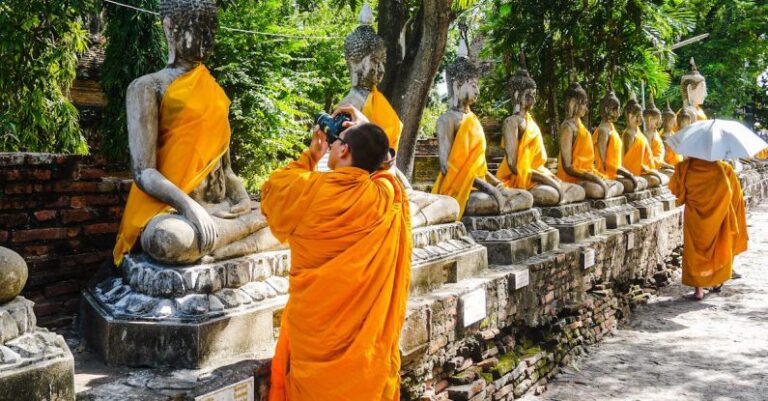
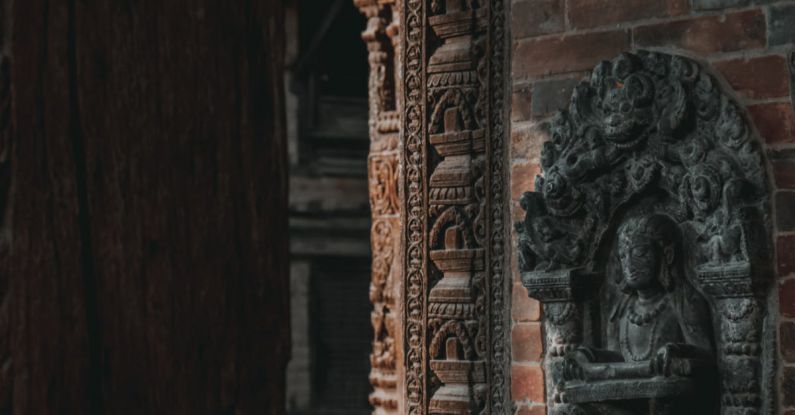
Temples in Bangkok are adorned with intricate statues, images, and relics that hold deep spiritual significance for devotees. Visitors should treat these sacred objects with reverence and avoid touching or leaning on them. It is essential to observe from a respectful distance and refrain from any behavior that may be construed as disrespectful towards these sacred symbols. By showing reverence for the sacred objects and images within the temple, visitors can pay homage to the religious traditions and beliefs that are central to the Thai culture.
Appreciating the Spiritual Significance
In conclusion, visiting temples in Bangkok offers a unique opportunity to immerse oneself in the rich cultural and spiritual heritage of Thailand. By adhering to temple etiquette tips such as dressing modestly, removing shoes before entering, maintaining silence and respect, refraining from pointing feet, making offerings with reverence, engaging with local customs, and showing respect for sacred objects, visitors can demonstrate their appreciation for the religious traditions upheld at these sacred sites. Embracing these etiquette tips not only shows respect for the local customs and practices but also allows visitors to experience a deeper connection to the spiritual essence of the temples in Bangkok.